




Teeth Turkey in 2025: Everything You Need to Know About Dental Tourism
- Understanding Dentures in Turkey: A Comprehensive Overview for 2025
- Cost Breakdown: What to Expect for Dentures in Turkey in 2025
- Key Factors Influencing Denture Prices in Turkey
- Choosing the Right Dentist and Clinic for Affordable Dentures
- The Denture Process in Turkey: From Consultation to Fitting
- Financing Options and Payment Plans for Dentures in Turkey
- Maintaining Your Dentures: Long-Term Care and Costs
Understanding Dentures in Turkey: A Comprehensive Overview for 2025
The landscape of dental tourism in Turkey has witnessed significant evolution, particularly concerning dentures. For individuals seeking affordable and high-quality dental solutions, understanding the current offerings and future trends in Turkey’s denture sector is crucial. This section provides a detailed overview of dentures available in Turkey as of 2025, encompassing material options, treatment processes, costs, and what to expect from a dental tourism experience.
Types of Dentures Available
Turkey caters to a diverse range of needs with various denture types. The primary categories include complete dentures, partial dentures, and implant-supported dentures. Complete dentures are used when all natural teeth have been removed. These are typically made of acrylic resin and designed to fit over the gums, providing a complete restoration of the smile. Partial dentures, on the other hand, are used when some natural teeth remain. They consist of artificial teeth attached to a plastic or metal framework that attaches to the remaining natural teeth via clasps. Implant-supported dentures represent a more advanced option, utilizing dental implants to securely hold the denture. This offers enhanced stability and comfort, mimicking the feel of natural teeth more closely.
Material Options: Balancing Aesthetics and Durability
The choice of material significantly impacts the appearance, durability, and cost of dentures. Acrylic resin remains a popular choice due to its affordability and ease of customization. It is a synthetic plastic that closely resembles natural gum color. However, acrylic dentures can be more susceptible to staining and may require more frequent replacement.
Composite resin dentures offer a more natural aesthetic. This material blends tooth-colored resin with a tooth-colored acrylic base, resulting in a more seamless look. While generally more expensive than acrylic, composite resin dentures are more resistant to staining and wear.
Metal frameworks, often made of cobalt-chromium alloys, provide exceptional strength and stability, particularly for partial dentures. These are less common for complete dentures due to aesthetic considerations. The selection of material often depends on individual needs, budget, and the extent of remaining natural teeth.
The Denture Treatment Process in Turkey
The process of getting dentures in Turkey generally follows these steps:
-
Initial Consultation and Examination: A dentist will conduct a thorough examination, including taking impressions of the patient’s gums and jaw. This assessment helps determine the best type of denture and material.
-
Impression and Bite Registration: Accurate impressions are crucial for a comfortable and functional fit. Bite registration involves determining the correct relationship between the upper and lower jaws.
-
Model Fabrication: The impressions are used to create accurate models of the patient’s teeth and gums.
-
Denture Fabrication: Based on the models and the chosen material, the dentures are fabricated in a dental laboratory.
-
Try-in and Adjustments: The dentist will have the patient try in the dentures to ensure proper fit, bite, and aesthetic appearance. Adjustments are made as needed.
-
Final Delivery: Once the dentures fit comfortably and the bite is correct, they are delivered to the patient.
Cost Considerations and Value Proposition
The cost of dentures in Turkey is significantly lower compared to many Western countries. Factors influencing the price include the type of denture (complete, partial, implant-supported), the material used, and the complexity of the case. Generally, complete dentures can range from \(800 to \)2,500, partial dentures from \(1,000 to \)4,000, and implant-supported dentures from \(3,000 to \)8,000 or more per set of teeth.
The affordability of dentures in Turkey doesn’t compromise quality. Many dental clinics in Turkey employ experienced dentists and utilize advanced technology. This combination allows patients to obtain durable and aesthetically pleasing dentures at a fraction of the cost they would incur elsewhere.
What to Expect from a Dental Tourism Experience
Individuals opting for dental treatment in Turkey should anticipate a comprehensive and often streamlined experience. Many clinics offer all-inclusive packages that cover travel, accommodation, and the cost of dental procedures. It’s advisable to research clinics thoroughly, looking for those with certifications and positive patient reviews. Communication barriers can sometimes arise, so clinics that have multilingual staff or offer translation services are beneficial. Post-operative care instructions are typically provided, and follow-up appointments may be necessary to ensure proper adaptation to the new dentures.
Future Trends in Dentures in Turkey (2025 and Beyond)
The Turkish dental tourism industry is continuously evolving. In 2025, an increasing focus is being placed on digital dentistry, including the use of 3D printing for denture fabrication. This technology promises faster turnaround times and more precise fits. Furthermore, there’s a growing trend towards more natural-looking and comfortable denture designs, incorporating advancements in materials and techniques. As technology advances and awareness grows, dentures in Turkey are poised to become even more accessible and sophisticated, offering a viable and attractive solution for individuals seeking to restore their smiles.
Cost Breakdown: What to Expect for Dentures in Turkey in 2025
Dental tourism to Turkey has steadily gained popularity, and the cost of dentures is a significant factor for many patients. In 2025, individuals seeking affordable and high-quality dental care in Turkey can generally anticipate a range of prices depending on the type of denture, materials used, and the dentist’s experience. Understanding this cost breakdown is crucial for planning a dental trip.
Types of Dentures and Their Estimated Costs
Several types of dentures are available, each with varying price points. The most common include complete dentures, partial dentures, and implant-supported dentures.
- Complete Dentures: These replace all teeth in an arch (upper or lower). In 2025, the average cost for complete dentures in Turkey ranges from \(800 to \)2,000. This cost often includes the initial consultation, impression taking, denture fabrication, and adjustments. The price can increase depending on the material chosen.
- Partial Dentures: Used when some teeth are missing, partial dentures attach to remaining natural teeth with clasps. Prices for partial dentures typically fall between \(600 and \)1,500 per set. The complexity of the partial denture, the number of teeth replaced, and the materials used will influence the final cost.
- Implant-Supported Dentures: Considered the most stable and comfortable option, implant-supported dentures are anchored to dental implants surgically placed in the jawbone. The cost of this option is significantly higher, ranging from \(3,000 to \)8,000+ per arch. This price encompasses the cost of the implants, the denture itself, and the surgical procedure. While the upfront cost is higher, the long-term benefits of stability and improved function make it a popular choice.
Material Costs: Impact on Overall Price
The materials used in denture construction significantly impact the overall cost.
- Acrylic Dentures: This is the most common and affordable material for dentures. Acrylic dentures typically cost between \(800 and \)1,500 per set. They are durable and relatively easy to maintain.
- Composite Dentures: Made from porcelain fused to metal, composite dentures offer enhanced strength and a more natural appearance. Expect to pay between \(1,200 and \)2,500 for composite dentures.
- Zirconia Dentures: Considered a premium option, zirconia dentures are known for their exceptional strength, biocompatibility, and natural aesthetics. The cost typically ranges from \(2,000 to \)4,500 per set.
- Implant Materials: The cost of dental implants varies based on the brand and type. Generally, a single implant can cost between \(1,000 and \)3,000, and a full arch of implants can range from \(8,000 to \)20,000+.
Additional Expenses to Consider
Beyond the cost of the dentures themselves, patients should factor in other potential expenses:
- Consultation Fees: Many clinics offer free initial consultations, but some may charge a fee.
- X-rays: Dental X-rays are often necessary for diagnosis and treatment planning, with costs ranging from \(30 to \)100 per set.
- Impression Fees: Taking impressions of the patient’s mouth is a standard step and typically included in the denture cost.
- Travel and Accommodation: Costs for flights, hotels, and local transportation will need to be factored into the overall budget.
- Post-operative Care: Follow-up appointments and adjustments after receiving dentures may incur additional costs.
Factors Influencing the Final Cost
Several factors can influence the final cost of dentures in Turkey:
- Dentist’s Experience and Clinic Reputation: Highly experienced dentists and well-established clinics may charge more.
- Complexity of the Case: More complex cases requiring additional procedures or materials will have higher costs.
- Urgency of Treatment: Expedited treatment may involve additional fees.
- Clinic Location: Costs can vary slightly depending on the city within Turkey.
It’s advisable for prospective patients to obtain detailed cost estimates from multiple clinics in Turkey to compare prices and choose the option that best fits their budget and needs. Utilizing online dental tourism platforms can be a helpful starting point for researching clinics and obtaining quotes.
Key Factors Influencing Denture Prices in Turkey
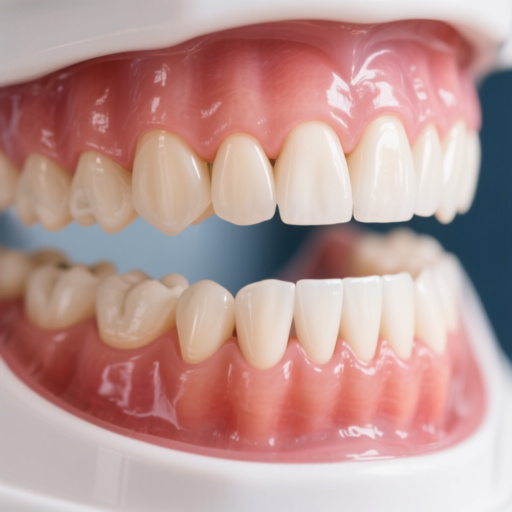
The cost of dentures in Turkey is a multifaceted issue, influenced by a range of interacting factors. Understanding these elements is crucial for individuals considering dental tourism for this procedure. These factors extend beyond the direct cost of materials and labor, encompassing the complexity of the case, the dentist’s expertise, and the overall treatment plan.
One of the primary determinants of denture price is the type of denture required. Complete dentures, which replace all teeth in an arch, typically represent the most affordable option. However, partial dentures, designed to replace missing teeth when some natural teeth remain, carry a higher price tag due to increased complexity in design and fitting. Implant-supported dentures, considered the most stable and often the most expensive, involve surgical placement of titanium posts into the jawbone, followed by the attachment of the denture. The cost difference between these options can be substantial, often ranging from a few hundred to several thousand US dollars.
The materials used significantly impact the final price. Acrylic dentures are the most common and generally the least expensive option. They are relatively durable and can be customized to match the patient’s gum color. However, they are also more susceptible to staining and wear over time. Metal-acrylic dentures offer enhanced strength and stability at a slightly higher cost. Porcelain-fused-to-metal (PFM) dentures provide a more natural aesthetic and are highly durable, typically commanding a premium price. Zirconia dentures are increasingly popular for their exceptional strength, biocompatibility, and natural appearance, although they often represent the highest end of the price spectrum.
The complexity of the case also plays a vital role in determining denture prices. Simple cases involving a few missing teeth will naturally be less expensive than complex cases requiring extensive bone grafting or pre-surgical procedures. Factors like the condition of the remaining teeth, the stability of the jawbone, and the necessity for additional treatments like gum disease management can all add to the overall cost. For example, a patient requiring significant bone augmentation before denture placement will face a higher total expense.
Dentist experience and specialization in Turkey influence pricing. Highly experienced dentists with a strong track record and specialized expertise in prosthodontics (the branch of dentistry dealing with the restoration of teeth) generally charge more. This premium often reflects their advanced training, sophisticated equipment, and commitment to delivering high-quality results. Patients often seek out dentists with certifications or affiliations with reputable dental organizations, as these credentials can indicate a higher level of competence.
The location of the dental clinic within Turkey can also affect denture prices. Clinics in larger cities like Istanbul and Ankara may have higher overhead costs, which can be reflected in their pricing. Conversely, clinics in smaller towns or less tourist-centric areas might offer more competitive rates. However, it’s essential to note that lower prices don’t always equate to lower quality.
Finally, the inclusion of additional services in the treatment plan contributes to the overall cost. This might include consultations, diagnostic imaging (such as CT scans), follow-up appointments, and maintenance procedures. Clinics offering comprehensive packages that encompass all necessary aspects of denture care may present a clearer and more predictable pricing structure. Transparent communication about all potential costs is a hallmark of reputable dental clinics. Understanding these key factors empowers prospective patients to make informed decisions and budget effectively for their denture treatment in Turkey.
Choosing the Right Dentist and Clinic for Affordable Dentures
The pursuit of affordable dentures often necessitates exploring dental tourism, a practice where individuals travel to other countries to receive dental care. While the cost savings can be substantial, the quality of care can vary significantly. Therefore, carefully selecting the right dentist and clinic is paramount for a successful and satisfying outcome. This section outlines key factors to consider when making this important decision.
Initial research should involve a thorough assessment of the dentist’s credentials and experience. Look beyond general certifications and delve into specialized training in prosthodontics, the branch of dentistry focused on the restoration and replacement of teeth. A prosthodontist possesses advanced knowledge and skills specifically relevant to denture creation and fitting. Experience with various denture types – full, partial, implant-supported – is also crucial. Consider how long the dentist has been practicing and the volume of denture work they undertake. This can provide an indication of their proficiency. Furthermore, verify their licensing and any disciplinary actions through the relevant dental board in their home country. This step provides an important layer of trustworthiness.
Beyond the dentist’s individual qualifications, the clinic’s reputation and facilities matter considerably. Online reviews can offer valuable insights, though it’s essential to approach them with a critical eye. Look for consistent positive feedback regarding patient satisfaction, communication, and the quality of the final product. Pay attention to reviews that specifically mention dentures. Consider the clinic’s technology. Modern clinics often utilize digital impressions and CAD/CAM technology for denture fabrication. This approach can lead to more accurate and comfortable fits compared to traditional methods. A well-equipped clinic is generally indicative of a commitment to quality.
Communication is another critical element. The dentist and their team should be adept at explaining the entire process, from initial consultation and treatment planning to fittings and adjustments. They should clearly outline the costs involved, including materials, labor, and any potential additional fees. A transparent approach fosters trust and helps avoid unexpected expenses. Don’t hesitate to ask questions and ensure you fully understand the proposed treatment plan. Effective communication minimizes misunderstandings and ensures your expectations are met.
Cost is, naturally, a primary driver for many seeking dental tourism. While prices in other countries can be lower, it’s vital to understand the complete cost package. This includes not just the dentures themselves but also travel, accommodation, and any necessary follow-up appointments. Compare quotes from multiple clinics, but be wary of significantly lower prices – these might indicate compromised quality or hidden costs. Understand what materials are being used. Different denture materials (acrylic, composite resin, porcelain) have varying costs and durability. Discuss the pros and cons of each option with the dentist to determine the best fit for your needs and budget.
Practical Considerations
Several practical aspects warrant attention. Consider the clinic’s location and accessibility. Ease of travel and accommodation arrangements contribute to a smoother overall experience. Ensure the clinic provides adequate aftercare instructions and support. Adjustments and repairs are often necessary with dentures, and having access to reliable support is crucial.
Building Confidence
Ultimately, choosing the right dentist and clinic for affordable dentures is about finding a provider you trust. Thorough research, careful evaluation, and open communication will significantly increase the likelihood of a positive experience and a successful outcome. The investment in time spent on this selection process can prevent costly complications and ensure a comfortable, functional smile for years to come.
The Denture Process in Turkey: From Consultation to Fitting
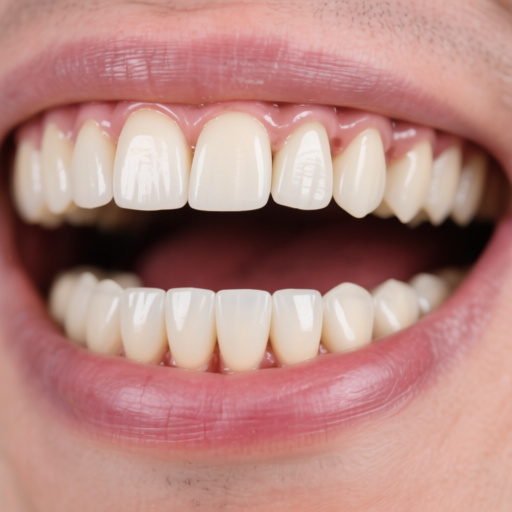
The journey to new dentures in Turkey involves a carefully structured process, designed to ensure a comfortable and aesthetically pleasing outcome. This section outlines the typical steps patients can expect, from the initial consultation to the final fitting. Understanding this process helps individuals prepare and makes the experience smoother.
The first step is usually a consultation with a qualified dental professional. This meeting serves as an opportunity for the dentist to assess the patient’s oral health and discuss their needs and expectations. A comprehensive examination will be conducted, often including X-rays and impressions of the jaw and mouth. During this phase, the dentist will evaluate the condition of the gums, teeth support, and overall jaw structure. It’s crucial for patients to openly communicate any concerns or desired outcomes during this consultation. This initial assessment informs the treatment plan and helps determine the most suitable type of denture.
Following the consultation, a personalized treatment plan is developed. This plan details the type of denture recommended, the materials to be used (such as acrylic or flexible materials), and the estimated timeframe for the entire process. The dentist will also outline the associated costs. Transparency in pricing is a significant advantage of dental tourism in Turkey. Patients will receive a clear breakdown of all expenses upfront. Understanding the treatment plan thoroughly is essential before proceeding.
Next comes the taking of impressions. These impressions are crucial for creating a precise model of the patient’s mouth. Traditionally, this involved a physical impression material. However, many dental practices in Turkey now utilize digital impressions, which are taken using specialized scanners. Digital impressions offer enhanced accuracy and allow for a more comfortable experience for the patient. The model created from the impression serves as the foundation for denture fabrication.
Once the model is prepared, the denture base is created. This involves crafting the foundation of the denture, which will fit against the gums. The chosen material, typically acrylic for traditional dentures or a flexible resin for soft dentures, is carefully molded and shaped to ensure a comfortable and secure fit. The color and shape of the denture teeth are also determined at this stage, aiming to match the patient’s natural teeth as closely as possible for optimal aesthetics.
After the base is established, the denture teeth are meticulously positioned and arranged. This process requires precision to ensure proper bite and a natural appearance. Dentists in Turkey often utilize CAD/CAM technology, which allows for highly accurate tooth placement. This technology aids in creating dentures that not only look realistic but also function correctly. The dentist will meticulously check the occlusion (bite) to ensure the dentures fit comfortably and allow for proper chewing.
The final stage is the fitting process. The temporary denture is placed in the patient’s mouth to assess the fit, comfort, and aesthetics. Adjustments are made as needed to ensure a stable and comfortable fit. This may involve minor alterations to the tooth position, denture base, or overall shape. Multiple fitting appointments are common to refine the denture until it meets the patient’s satisfaction.
Once the patient is completely satisfied with the fit and appearance, the final denture is delivered. Post-delivery appointments are scheduled to monitor the fit and address any final adjustments. Proper care and maintenance of the dentures are essential for their longevity and the patient’s oral health. This includes regular cleaning and periodic check-ups with the dentist. The entire denture process in Turkey prioritizes patient comfort, precision, and aesthetic results.
Financing Options and Payment Plans for Dentures in Turkey
Traveling to Turkey for dental work, including dentures, can be a significantly more affordable option than in many Western countries. However, the cost of these procedures can still be a considerable investment. Fortunately, several financing options and payment plans are available to make dental tourism more accessible. Understanding these options is crucial for planning a successful and comfortable trip.
Payment Options Offered by Dental Clinics
Many dental clinics in Turkey understand the financial considerations of international patients and offer various payment methods. These often include:
- Direct Payment: This is the most straightforward option, allowing patients to pay the full cost of treatment upfront. Clinics may offer a slight discount for lump-sum payments.
- Credit Cards: Major credit cards such as Visa, Mastercard, and American Express are widely accepted. Some clinics facilitate installment plans through credit card providers. However, interest rates on these plans can vary significantly.
- Bank Transfers: Direct bank transfers are a common method, offering a potentially cost-effective way to pay, avoiding credit card fees.
- Third-Party Financing: Several companies specialize in providing financing for medical tourism, including dental procedures. These options often involve interest rates and repayment schedules tailored to the patient’s needs.
Exploring Financing Companies
Several international financing companies cater specifically to medical tourism, including dental procedures in Turkey. These companies work directly with dental clinics to offer flexible payment plans.
- Software Credit: This company provides financing solutions for healthcare patients, offering various plans with different terms and interest rates. They often have partnerships with clinics in Turkey.
- CareCredit: While more prevalent in the United States, CareCredit is a widely recognized option for financing healthcare expenses, including dental work. They offer promotional periods with deferred interest.
- MedFinance: MedFinance focuses on providing financing specifically for medical procedures and travel, often offering competitive interest rates.
It’s essential to compare the terms and conditions of different financing companies carefully, paying attention to interest rates, fees, and repayment schedules.
Payment Plans Offered by Clinics
Beyond third-party financing, dental clinics themselves frequently offer their own payment plans to accommodate patient budgets. These plans typically involve an initial deposit followed by scheduled payments over a set period.
- Installment Plans: Clinics might allow patients to break down the total cost of dentures into smaller, manageable monthly installments. The number of installments and the interest rate (if any) will vary.
- Partial Payment Options: Some clinics accept partial payments at different stages of the treatment, helping patients spread out the expense.
- Discount for Larger Payments: As mentioned previously, clinics may offer a discount for paying a larger portion of the total cost upfront.
Budgeting for Your Trip
Beyond the cost of the dentures themselves, remember to factor in other expenses associated with your trip to Turkey. These include:
- Airfare: Flights to Turkey can vary in price depending on your origin and time of year.
- Accommodation: Hotel or apartment costs should be considered.
- Travel Insurance: Comprehensive travel insurance is highly recommended.
- Visa Fees: Check visa requirements for your nationality.
- Local Transportation: Budget for getting around Turkey.
Planning ahead and exploring all available financing options will help you secure quality dental care in Turkey without straining your finances.
Maintaining Your Dentures: Long-Term Care and Costs

Dentures, while offering a significant improvement in oral function and appearance, require consistent care to ensure longevity and optimal performance. Proper maintenance isn’t just about aesthetics; it directly impacts oral health and the lifespan of the appliance. Understanding the necessary steps and potential costs is crucial for anyone considering or already wearing dentures.
Daily care forms the cornerstone of denture maintenance. Following a consistent routine helps prevent problems like gum irritation, denture damage, and unpleasant odors. After removing dentures, rinse them thoroughly under cool water to remove food particles. A dedicated denture brush, available at most pharmacies, is ideal for cleaning the appliance. Avoid using abrasive cleaners, as these can scratch the surface and create harbors for bacteria. A mild soap can be used occasionally, ensuring it’s rinsed off completely. Furthermore, cleaning the gums and tongue each day also promotes overall oral hygiene. This removes bacteria and keeps the mouth feeling fresh.
Regular soaking is another important aspect of care. Soaking dentures overnight in a denture-specific cleaning solution keeps them hydrated and prevents them from warping or becoming brittle. These solutions also help to inhibit bacterial growth. While some people opt for water, it’s generally not recommended as it doesn’t effectively disinfect. The frequency of soaking depends on the denture material and the manufacturer’s recommendations.
Beyond daily practices, routine professional check-ups with a dentist are paramount. Dentists can monitor the fit of the dentures, identify any damage, and address potential issues before they become serious problems. These check-ups also include oral health assessments, ensuring the gums and surrounding tissues remain healthy. The American Dental Association recommends professional denture check-ups at least once a year. Early detection of minor problems can often prevent costly repairs or the need for replacement.
Addressing Common Problems
Several issues can arise with dentures over time. Chipping or cracking is a common concern, often resulting from accidental drops or forceful biting. Minor chips can sometimes be repaired by a dental professional, but extensive damage might necessitate a replacement. Another frequent problem is slippage. This can be caused by ill-fitting dentures, changes in bone structure, or excessive gum inflammation. A dentist can adjust the dentures to improve fit and stability. Additionally, changes in taste are sometimes reported by denture wearers. This can be due to the accumulation of bacteria or the material of the dentures themselves. Keeping dentures clean and using a denture cleanser can help mitigate this issue.
Potential Costs Associated with Denture Care
The cost of maintaining dentures can vary depending on several factors, including the type of denture, the frequency of professional visits, and any repairs needed. Routine cleaning supplies, such as denture brushes and cleaning solutions, are relatively inexpensive, typically costing between \(10 and \)30 annually. Regular dental check-ups, which are essential for proactive maintenance, can range from \(75 to \)200 per visit, depending on insurance coverage. Repairs can vary significantly in cost, from a few dollars for a minor chip to several hundred dollars for more extensive damage. Replacement dentures can range from \(500 to \)3,000 or more, depending on the material and complexity of the appliance. While the initial investment in dentures is substantial, consistent maintenance can help extend their lifespan and potentially avoid more costly replacements in the long run.
The long-term outlook for denture care is focused on advancements in materials and technology. Research is ongoing to develop more durable, comfortable, and aesthetically pleasing dentures. Improvements in manufacturing processes are also leading to more precise fits and better overall functionality. While the fundamental principles of denture care remain consistent, future innovations promise to enhance the experience for denture wearers.
Before & Afters/s


